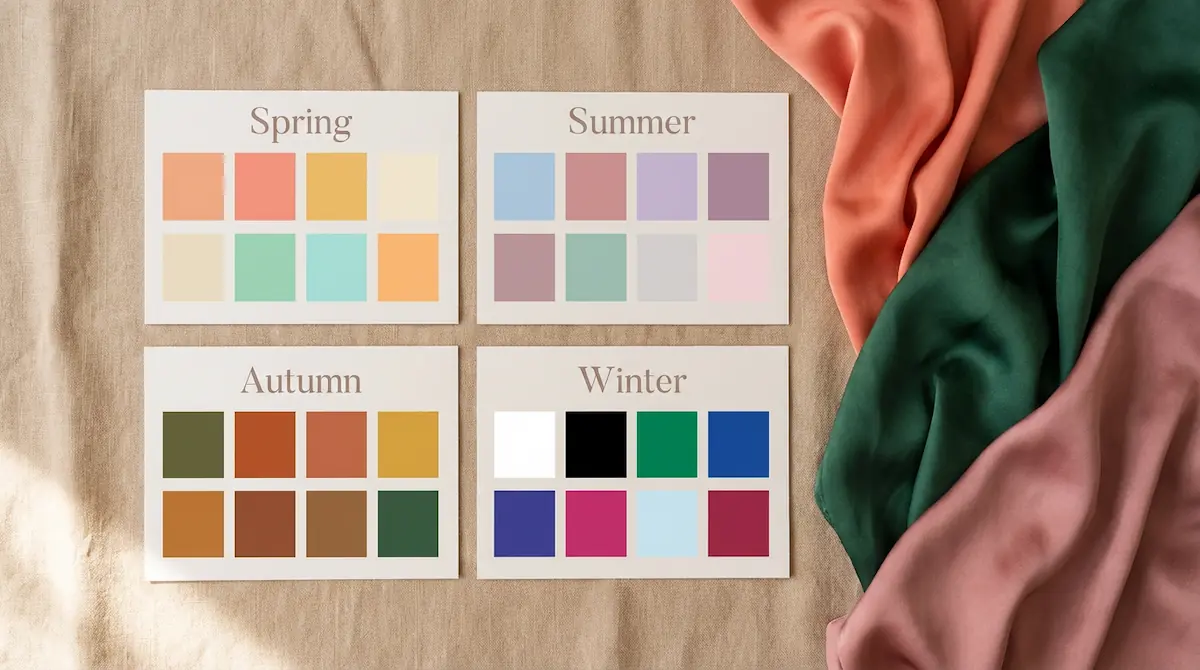
What Is Color Analysis? A Complete Guide to Finding Your Best Colors
Color analysis is a method of determining which colors of clothing, makeup, and accessories harmonize best with your natural coloring — specifically your skin tone, hair color, and eye color. Originally developed by color theorist Johannes Itten in the 1920s and popularized by Carole Jackson's 1980 book Color Me Beautiful, color analysis has evolved from a subjective art into a data-driven science.
How Color Analysis Works
Every person has a unique combination of three color attributes: skin undertone (warm, cool, or neutral), hair color depth and warmth, and eye color and pattern. Color analysis maps these attributes to a palette of colors that create visual harmony when worn near the face.
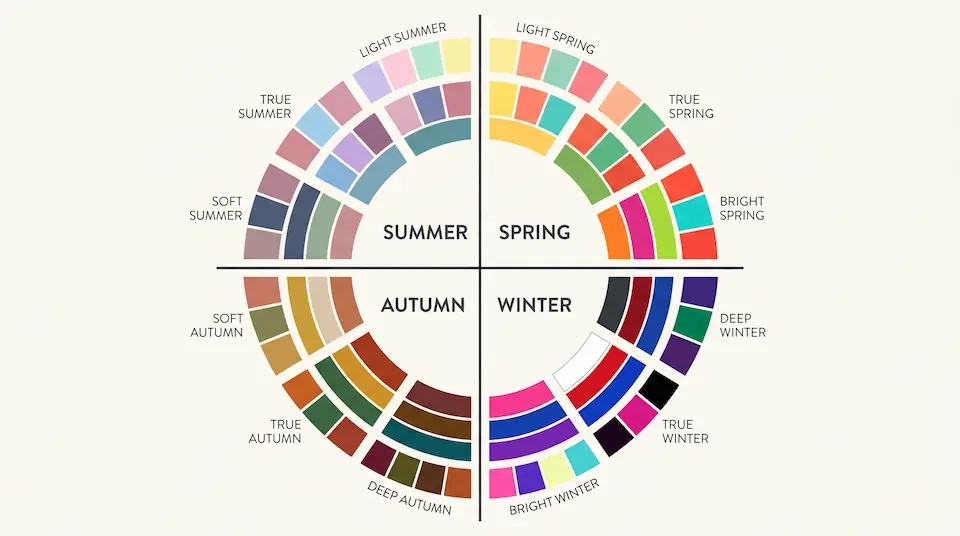
The most widely used framework is the 12-season system, which expands the original four seasons (Spring, Summer, Autumn, Winter) into 12 subcategories based on three dimensions:
- Hue — warm vs. cool undertone
- Value — light vs. dark overall coloring
- Chroma — muted vs. bright/clear coloring
For example, a person with warm undertones, light coloring, and bright clarity would be classified as a "Bright Spring," while someone with cool undertones, deep coloring, and muted clarity would be a "Soft Winter."
Understanding Your Skin Undertone
Your skin undertone is the most critical factor in color analysis. Unlike skin tone (which can vary with sun exposure), undertone remains constant throughout your life. There are three categories:
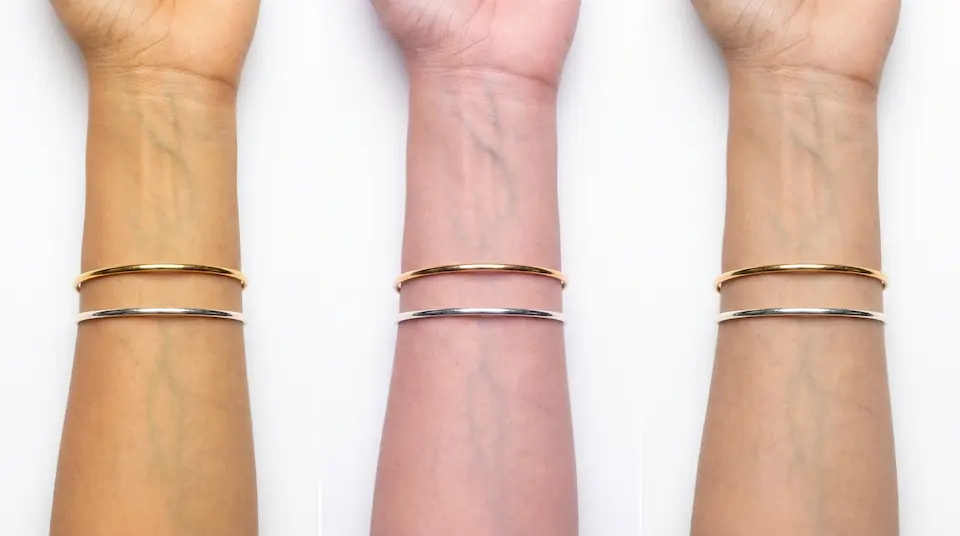
- Warm undertones — veins appear greenish, gold jewelry is more flattering, skin has peachy or golden hues
- Cool undertones — veins appear bluish-purple, silver jewelry is more flattering, skin has pink or rosy hues
- Neutral undertones — a mix of both warm and cool characteristics, both gold and silver jewelry work well
In the Indian context, undertone analysis is especially important because Indian skin tones span an enormous range — from very fair to very deep — but undertone (not tone) determines which colors are harmonious. A deep-toned person with warm undertones looks striking in rust, emerald, and mustard, while a deep-toned person with cool undertones is better served by royal blue, magenta, and true red.
Why Color Analysis Matters: The Data
Research in color psychology consistently shows that wearing harmonious colors affects perception. A 2019 study published in Color Research & Application found that participants rated faces surrounded by harmonious colors as 23% more attractive and 18% more trustworthy compared to disharmonious colors.
Wearing the right colors can make your skin appear healthier, your eyes more vibrant, and your overall appearance more polished — without changing a single thing about your body.
How AI Is Transforming Color Analysis
Traditional color analysis requires an in-person consultation with a trained analyst, typically costing ₹5,000–₹15,000 per session. The analyst drapes fabrics near the client's face under controlled lighting and observes how each color affects the skin's appearance.
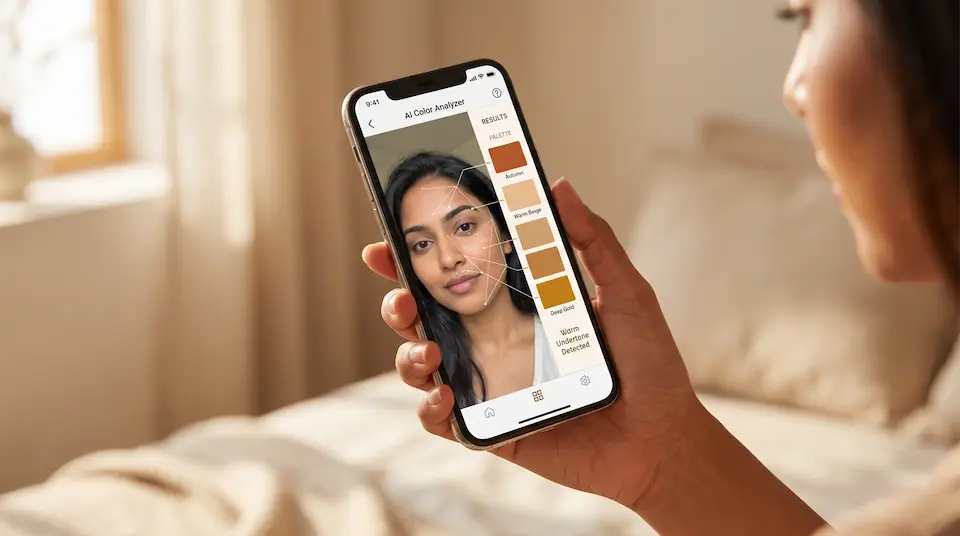
AI-powered color analysis, like the system used in Style Math AI, performs this same process computationally. Using computer vision, the AI extracts colorimetric data from a single photo — mapping skin hue, saturation, and brightness values — and classifies the undertone algorithmically. The result is a personalized color palette generated in under 60 seconds, at a fraction of the cost of in-person consultation.
Human analysts can be influenced by lighting conditions, personal bias, and fatigue — an algorithm applies the same calibrated methodology to every photo.
How to Get Your Color Analysis
With Style Math AI, getting your color analysis is simple: upload a well-lit photo showing your face and shoulders, and the AI analyzes your undertone, value, and chroma within seconds. The results inform every outfit recommendation the app generates, ensuring that every suggested look features colors that genuinely harmonize with your natural coloring.
See these styles on your body
Upload a photo and get AI-powered outfit recommendations tailored to your body shape and skin tone.
Download FreeRelated Articles
How to Find Your Body Shape: A Data-Driven Guide for Men and Women
Learn how to identify your body shape from 12 categories using key measurements. Understand why body shape analysis matters for choosing flattering clothing, with specific tips for Indian body types.
Best Hairstyles for Every Face Shape: A Complete Guide for Men & Women
Best hairstyles for every face shape — oval, round, square, diamond, oblong & heart. Expert tips for men & women with trending 2026 styles in India.