How to Find Your Body Shape: A Data-Driven Guide for Men and Women
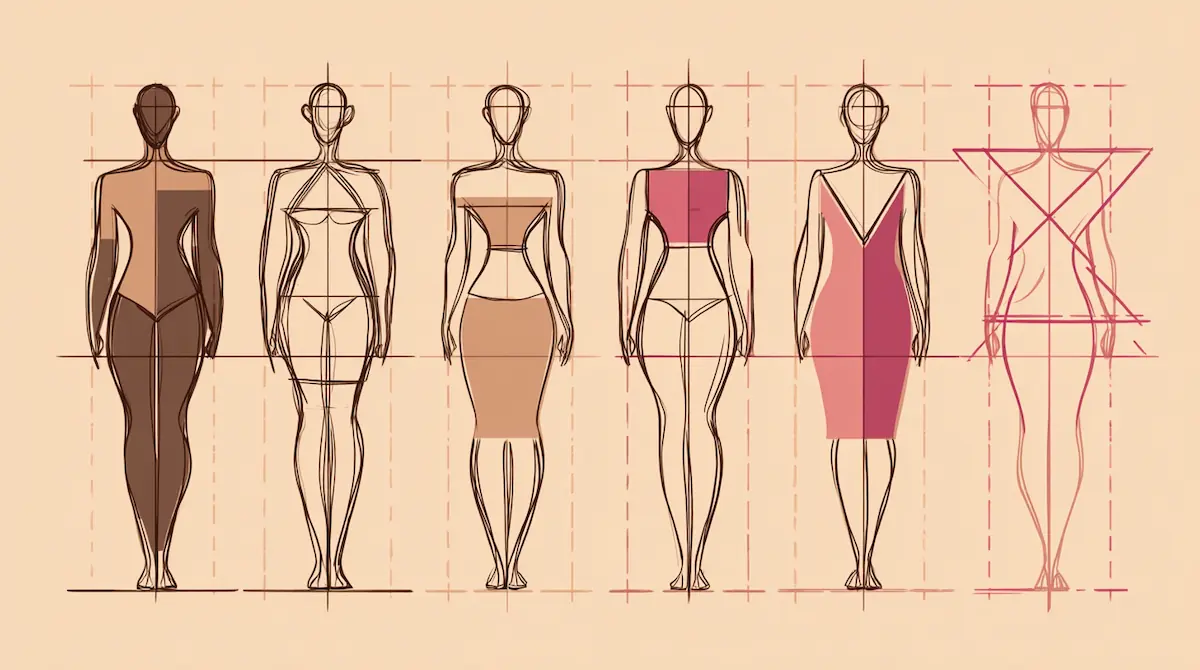
Your body shape is determined by the proportional relationship between your shoulders, bust/chest, waist, and hips. Understanding your body shape is the foundation of dressing well — it determines which silhouettes, cuts, and fits will create a balanced, proportional appearance. Unlike weight or size, body shape is a structural characteristic that remains largely consistent throughout adulthood.
Dressing well has never been about changing your body — it's about understanding its geometry and working with it, not against it.
The 12 Body Shape Categories
While the popular "5 body shapes" model (apple, pear, hourglass, rectangle, inverted triangle) is widely known, professional stylists and AI systems like Style Math use a more granular 12-category system that accounts for subtleties in proportion:
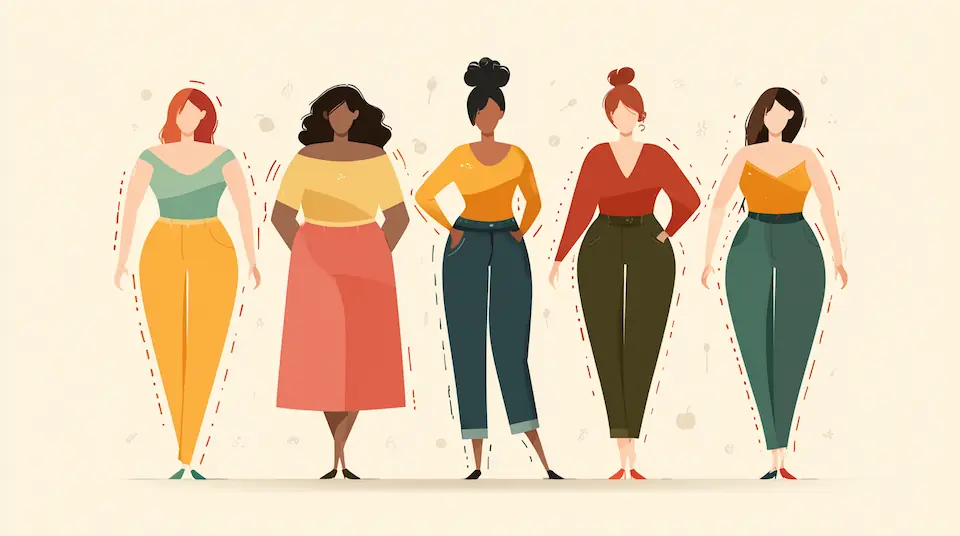
Women's Body Shapes
- Hourglass — bust and hips are roughly equal, waist is clearly defined (≥25% narrower)
- Pear / Triangle — hips are wider than shoulders and bust
- Inverted Triangle — shoulders are wider than hips
- Rectangle — shoulders, bust, waist, and hips are similar in width
- Apple / Round — weight carried in the midsection, legs are proportionally slimmer
- Spoon — similar to pear but with a more defined waist and fuller lower hips
Men's Body Shapes
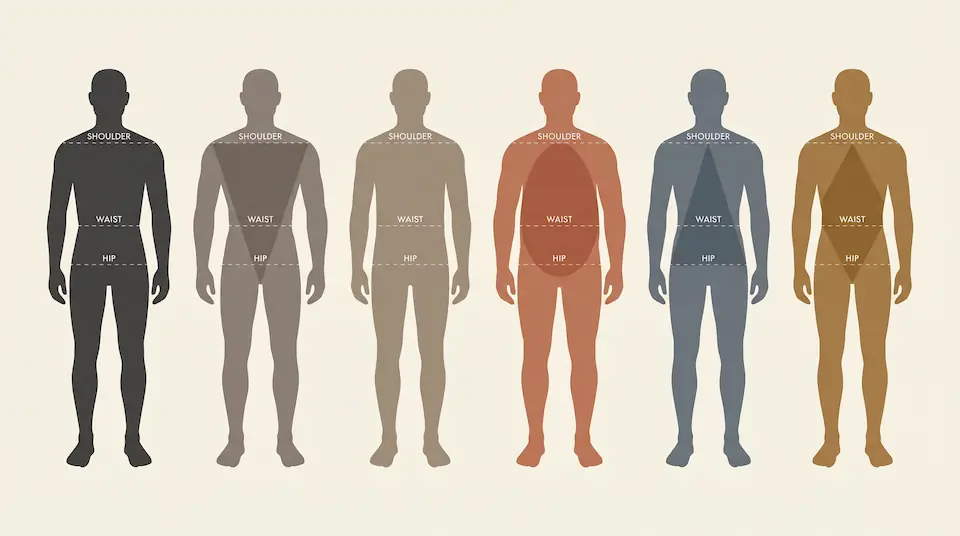
- Trapezoid — broad shoulders tapering to narrower waist (considered the "ideal" masculine proportion)
- Inverted Triangle — very broad shoulders, narrow hips (athletic build)
- Rectangle — shoulders, waist, and hips are similar in width
- Oval — fuller midsection with narrower shoulders and hips
- Triangle — hips wider than shoulders (less common in men)
- Rhomboid — broad chest with narrower shoulders and waist
How to Measure Your Body Shape
To determine your body shape at home, you need four measurements taken with a flexible measuring tape:
- Shoulders — measure across the widest point, from the edge of one shoulder to the other
- Bust/Chest — measure at the fullest point of the chest
- Waist — measure at the natural waistline (typically the narrowest point of the torso)
- Hips — measure at the widest point of the hip/buttock area
Compare the ratios between these measurements to identify your shape. For example, if your hips are more than 5% wider than your shoulders and your waist is clearly defined, you likely have a pear shape. If your shoulders and hips are within 5% of each other and your waist is at least 25% narrower, you're likely an hourglass.
Why Body Shape Matters for Indian Fashion
Indian fashion spans an extraordinary range of silhouettes — from the draped fluidity of a saree to the structured tailoring of a sherwani. Each of these garments interacts differently with different body shapes:
- A pear-shaped woman might choose an A-line anarkali to balance her proportions, while an hourglass figure is complemented by a fitted lehenga choli
- A rectangular man can add structure with a bandhgala jacket, while an inverted triangle build benefits from straight-leg trousers to balance broad shoulders
- For apple shapes, empire-waist kurtas draw attention upward, and flowy palazzo pants create elongation below
AI Body Shape Analysis
Style Math AI automates body shape analysis using computer vision. From a single full-body photo, the AI extracts key proportion ratios — shoulder-to-hip, waist-to-hip, torso-to-leg length — and classifies the body into one of 12 categories. This classification then drives every outfit recommendation, ensuring that suggested silhouettes, cuts, and fits are mathematically optimized for the user's specific proportions.
The process takes under 10 seconds and works for all body types, genders, and sizes. No measuring tape required.
See these styles on your body
Upload a photo and get AI-powered outfit recommendations tailored to your body shape and skin tone.
Download FreeRelated Articles
What Is Color Analysis? A Complete Guide to Finding Your Best Colors
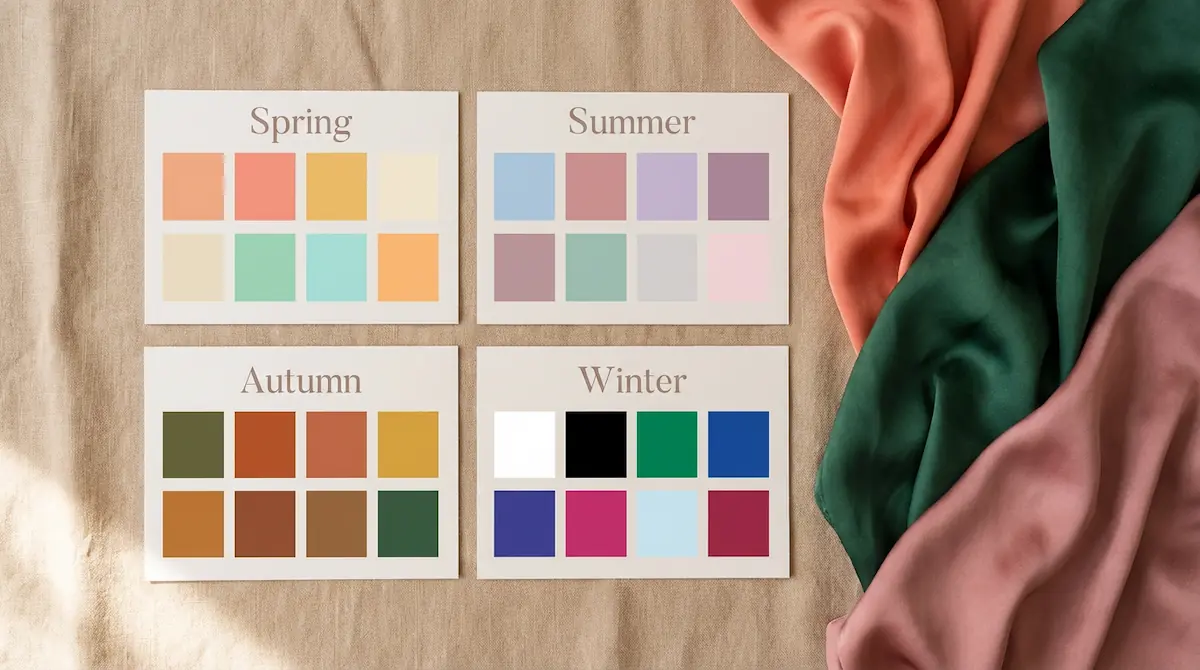
Color analysis determines which colors complement your natural skin tone, hair, and eyes. Learn about the seasonal color system, undertones, and how AI makes color analysis accessible to everyone.
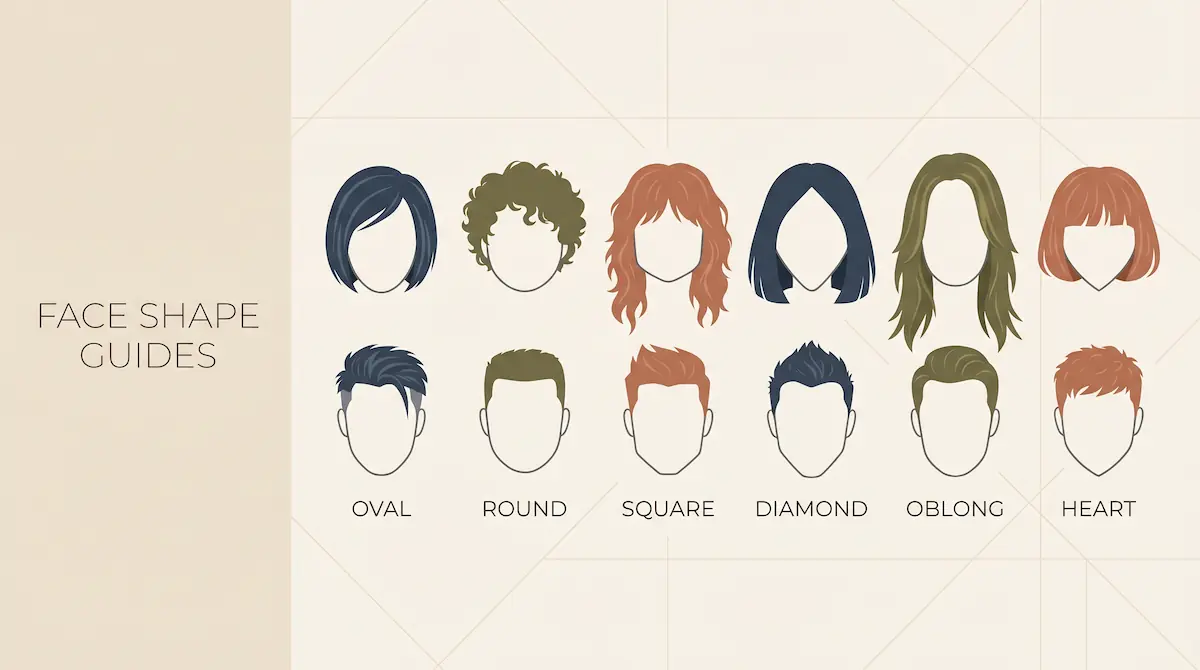
Best Hairstyles for Every Face Shape: A Complete Guide for Men & Women
Best hairstyles for every face shape — oval, round, square, diamond, oblong & heart. Expert tips for men & women with trending 2026 styles in India.